Established in 1985 — a premier institution in the Inland Fisheries sector, developing professionally trained manpower and fish production technologies across aquaculture, seed production and high-altitude Himalayan fisheries, with B.F.Sc., M.F.Sc. and Ph.D. programmes across five departments.
The College
About Us
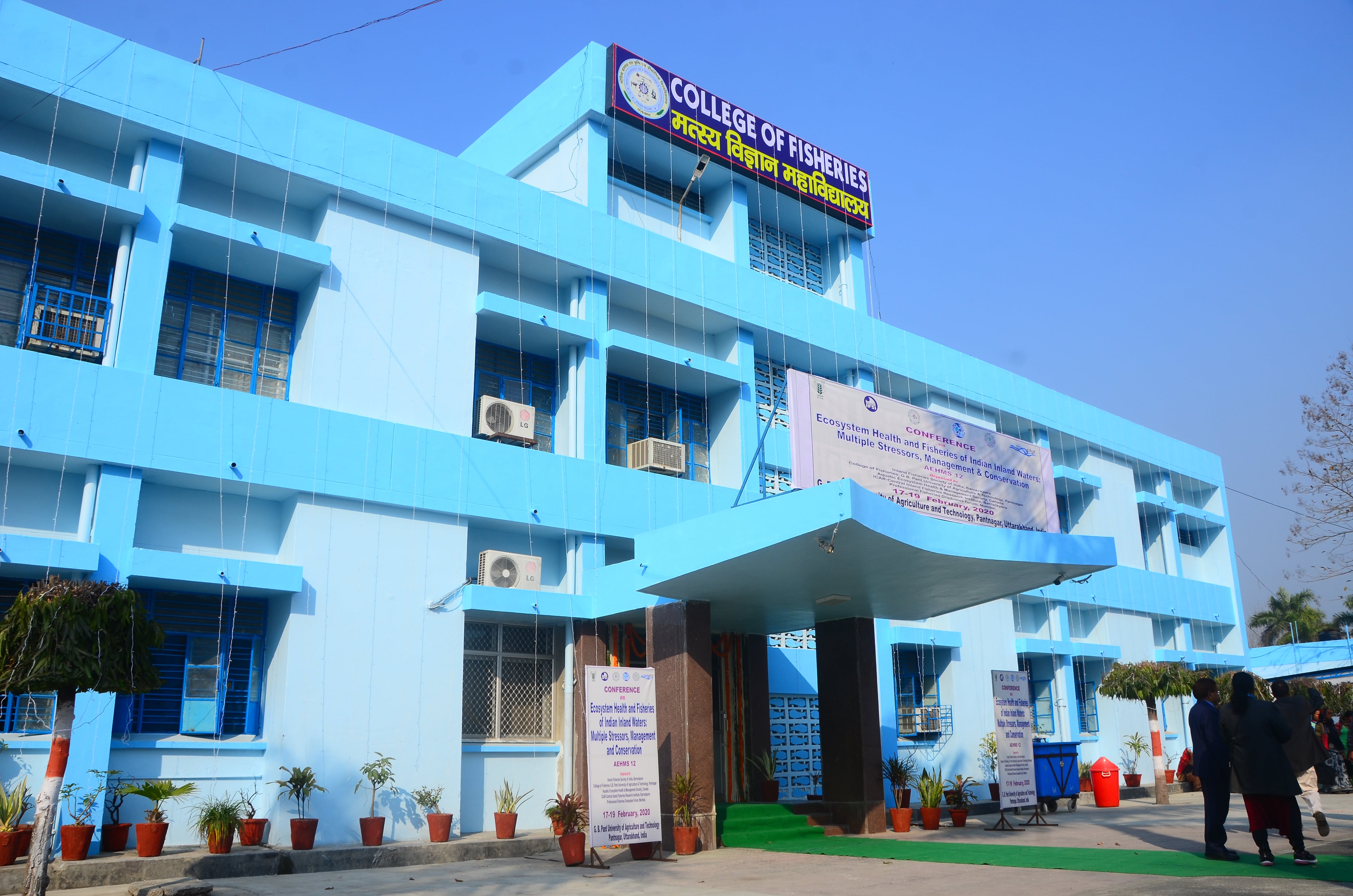
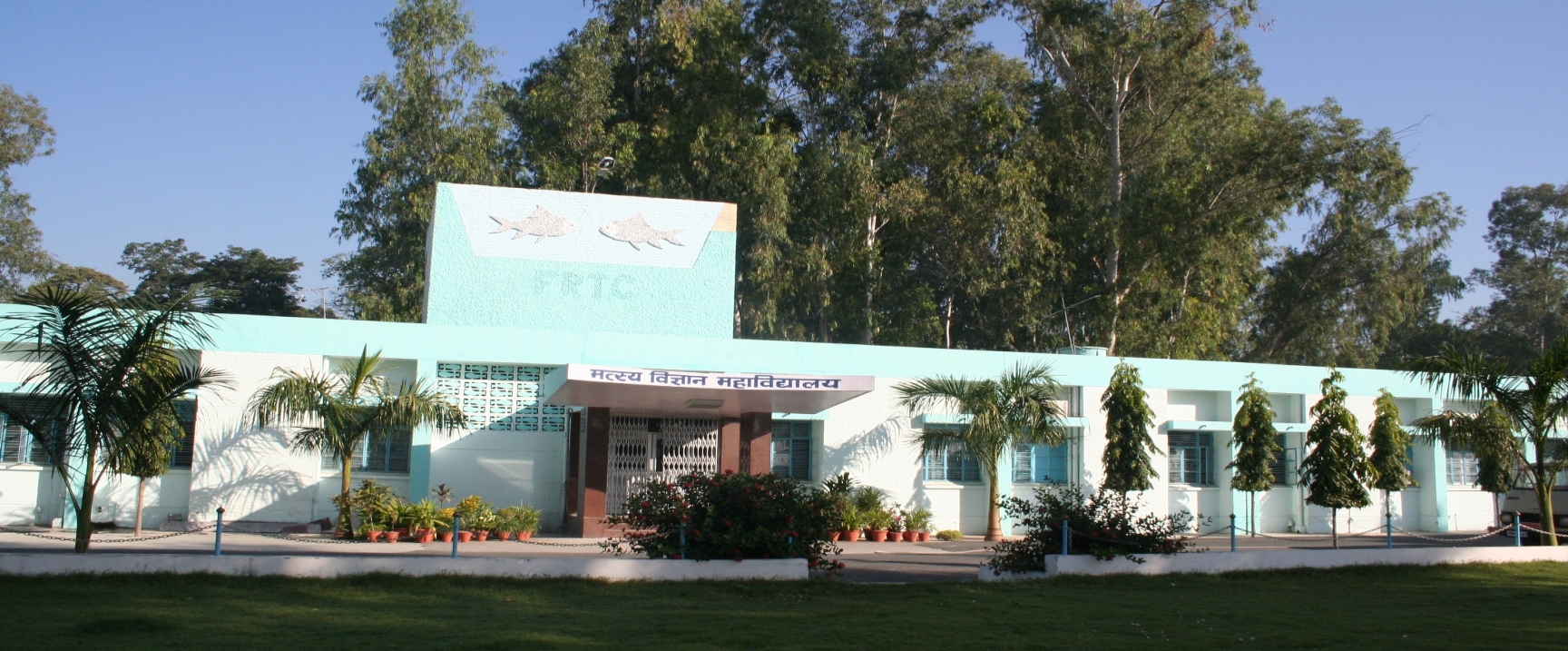
The College of Fisheries established in 1985, at G. B. Pant University of Agriculture and Technology, Pantnagar, India is one of the premier institution, especially in the Inland Fisheries Sector, catering to professionally trained manpower, development of fish production technologies, transferring the technologies to fish culturists, entrepreneurs and the industry.
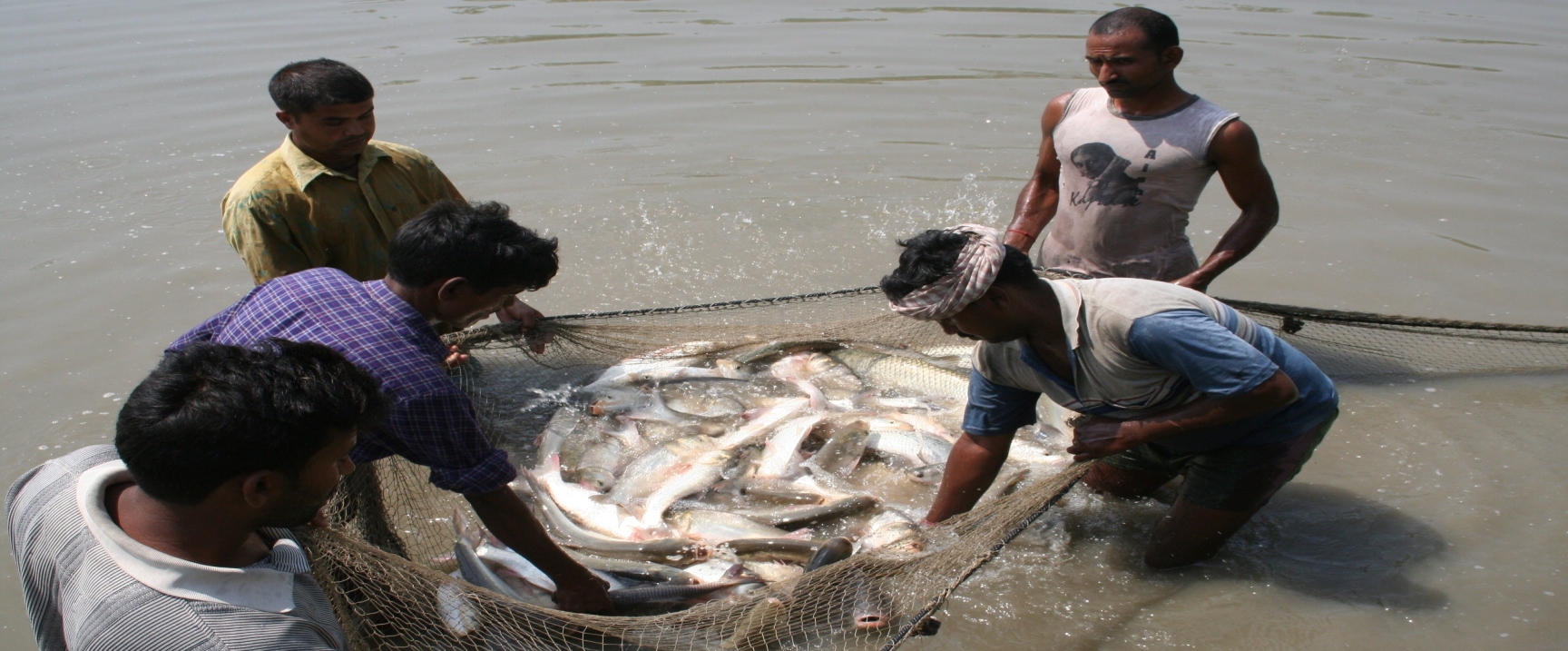
The College has played a great role in the establishment of fish farming in the inland sector of the country. A large number of modern fish farms have been established. Integrated fish farming has also been taken up. A number of the fish seed hatcheries have also been constructed in the private sector. Extensive farm facilities in the College provide a cradle for conducting research work on fish farming and for demonstration of frontline technologies to fish culturists.
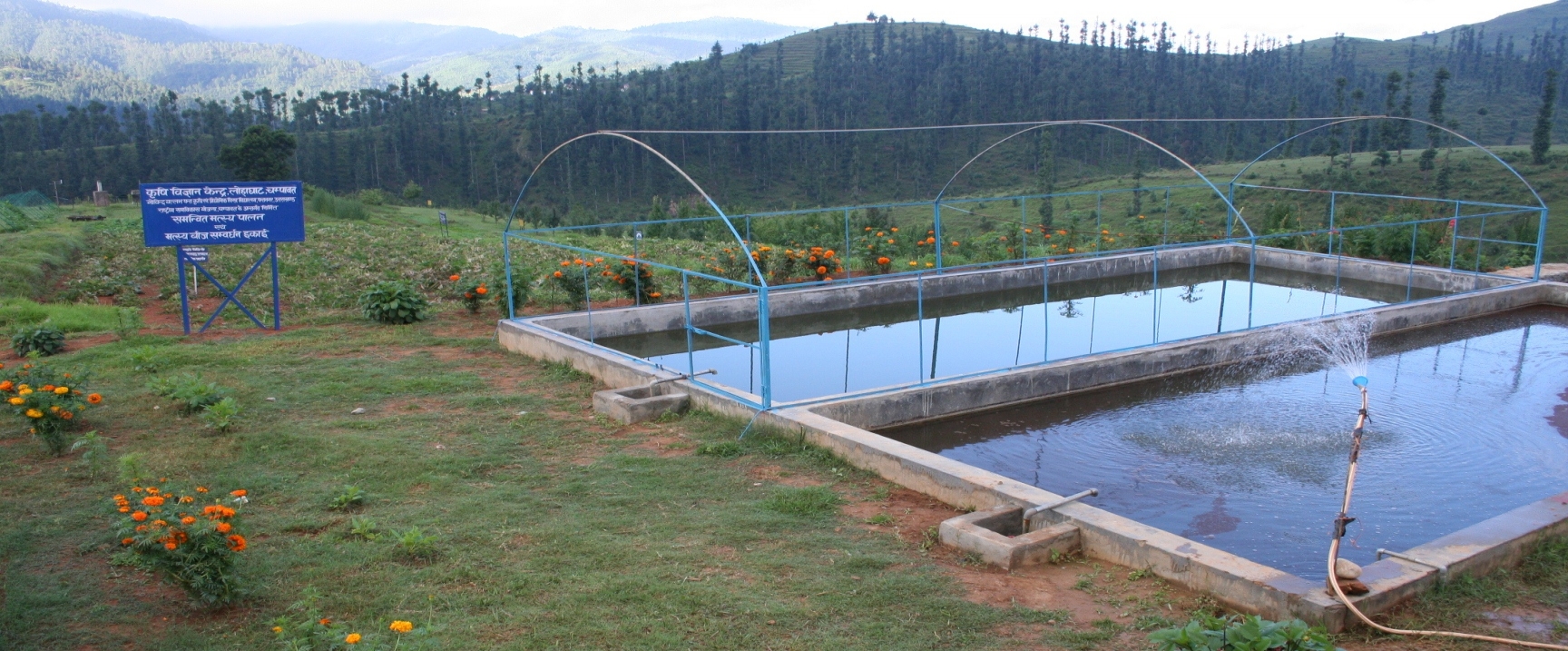
The College is now emphasizing on the development and management of the high altitude fisheries in the vast freshwater resource, which exist in the form of rivers, lakes, and reservoirs in the Central Himalayan region. Special emphasis is being put on the development of technology for the culture and hatchery seed production of endangered fish species. Innovative aquaculture techniques have been developed for increasing fish production from the reservoirs.
Facilities available to corporates visiting Pantnagar
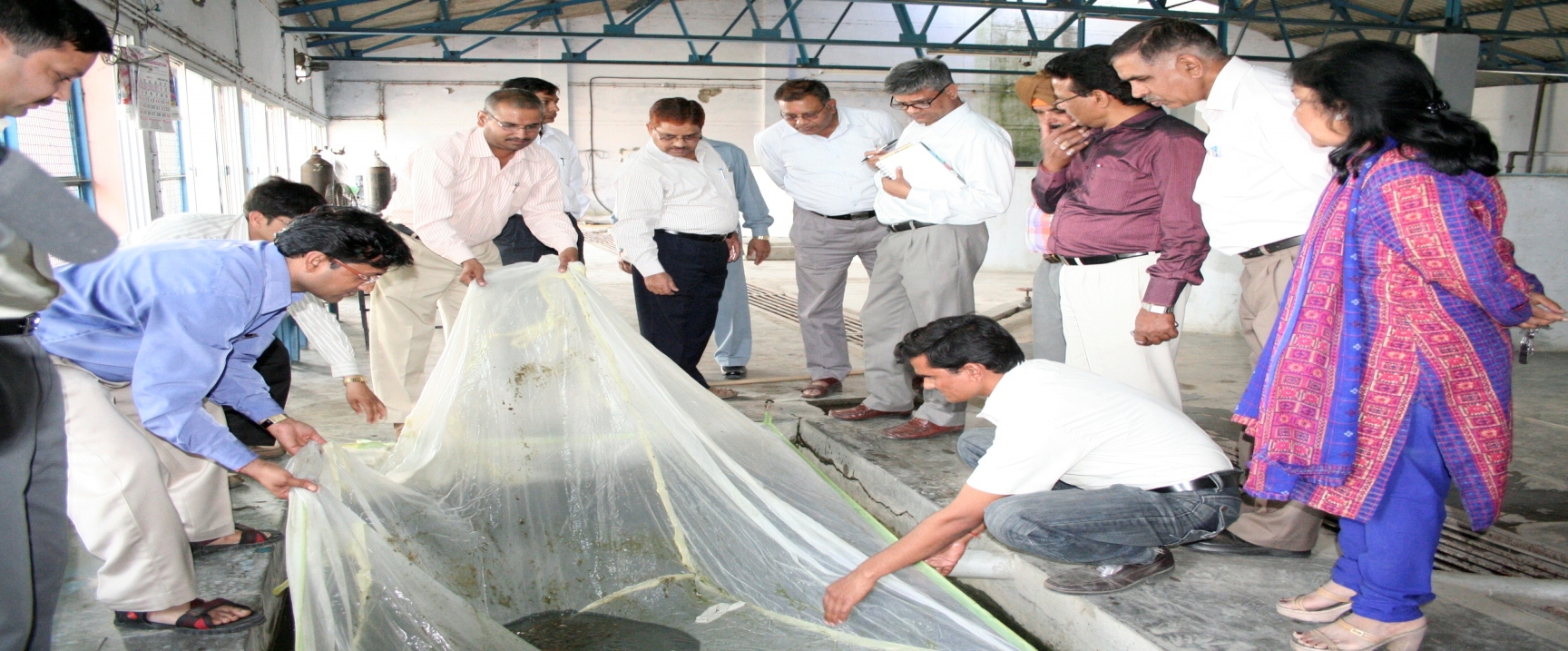
The College of Fisheries has sufficient farm facilities for production as well as research work. It can provide facilities to the corporates for testing of feeds, growth promoters, inducing agents, immune enhancers, aquaculture equipments such as aerators etc. on payment basis. Since the College has a modern circular hatchery, fish culturists, entrepreneurs and fishery co-operatives can also obtain the quality fish seeds produced on a large scale.
The College also has infrastructure for launching joint ventures in fish feed production at commercial scale. Since, the post harvest technology in freshwater fishery is non-existent at present there is great scope for the development of post-harvest sector in collaboration with the corporates. Joint venture in ornamental fish breeding can also be successfully run at the College.
Academic units
Five Departments
The academic activities of the College are delivered across the five departments below.
Breeding and hatchery seed production of carps and catfishes.
Integrated fish-livestock farming
Nutrition of cultivated fishes
Fish-health management
Aquatic environment and its management for sustainable fish production.
Management of open water fisheries in lake and reservoirs
Development of post-harvest sector in inland fisheries
Research Projects Undertaken
Title of project
Funding Agency
Outlay (in lakh)
Period
Principal Investigator
Integrated farming system and human resource planning and management for livelihood security and capacity building of tribal community in Uttarakhand 1986-89 Dr. C.S. Singh
ICAR
195.00 (Ist year-Total) 20.50 (Fisheries)
2013-18
Dr. R.N. Ram
Establishment of recirculatory system under Institution of Excellence Grant
ICAR
110.0
2008-Contd.
Dean, C.F.Sc.
Establishment of recirculatory system for capacity enhancement of fish and seed production units
RKVY
174.80
2008-Contd.
Dean, C.F.Sc.
Establishment of rearing facility of mahseer
RKVY
51.46
2008-Contd.
Dean, C.F.Sc.
Seed production in agricultural crops and fisheries (carps and catfishes)
ICAR
42.12
2006-Contd.
Dean, C.F.Sc.
Dissemination of fish products preparation technology for sustainable livelihood of rural folk in district Udham Singh Nagar and Nainital
UCOST
4.019
2013-16
Dr. R.S. Chauhan
Production of quality fish seed of cultivable carps
ICAR
25.00
1999-Contd.
Dean, C.F.Sc.
Technological empowerment of resource poor farmers through fish seed production technology for sustainable livelihood in district Udham Singh Nagar, Uttarakhand
DBT
14.77
2012-15
Dr. R.S. Chauhan
Sustainable Production of Carps under Recirculated Aquaculture System
GBPUAT, Pantnagar
0.50
2014-15
Dr. Ashutosh Mishra
Highlights
Research Highlights
Semi-intensive/intensive carp culture
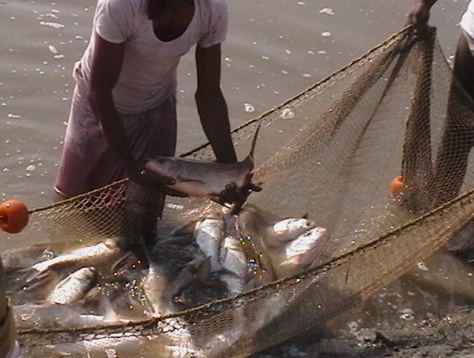
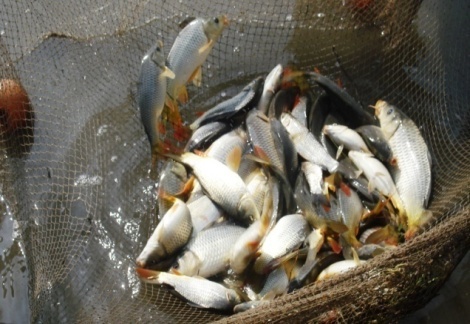
The composite culture of carps, 3 species of Indian major carps (Catla, Rohu and Mrigal) and three exotic carps (Silver carp, Grass carp and Common carp) with appropriate stocking, application of cow dung and fertilizers, efficient water quality management and rational supplementary feeding developed and standardized. It gives the production of around 8 ton/ha/yr. Recently a fish production of 10,000 kg/ha/yr has been obtained at stocking density of 15,000 fingerlings/ha, artificial feed with 35% protein feed and aeration under intensive farming system.
Quality fish seed production
The packages of practices of induced breeding of culturable carps by pituitary extract (CPE) and ovaprim were optimized for tarai region. The technique of double breeding of culturable carps in one breeding season has also been developed which has the potential of increasing fish seed production from the same number of fish stock and available resources.
Lake and reservoir fisheries
The district of Nainital abounds in lakes in hills and reservoirs in tarai regions. The fisheries of these lakes is, however, in dire state. Fish production from these precious water bodies could be increased upto 70-80 kg per hectare per year by stocking suitable farm-raised fish species. The fish production of Sat tal, a medium altitude lake in Nainital was increased from 2-3 to 80 kg per hectare per year by stocking Indian major carps, under fisheries development in high altitude lakes programmes.
On the basis of detailed studies on energy flow in Nanak Sagar, the management strategies for increasing the fish production have been developed. It has been suggested that stocking of the reservoirs with detritophagus fishes will result in increased fish production.
Biomanipulation of Lakes
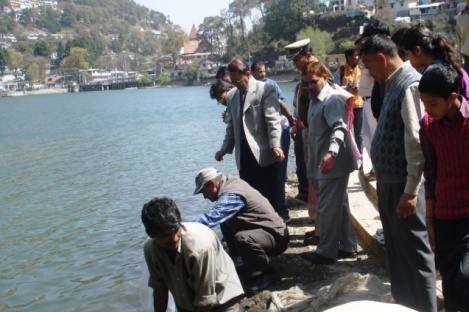
The fisheries of lake Nainital has been improved through biomanipulaiton. The unwanted fish fauna has drastically reduced while population of fishes of food value has established.
Protein requirement of Indian and exotic carps
The protein requirements of the fry of Labeo rohita, Catla catla and Cirrhinus mrigala, and young ones of Hypophthalmichthys molitrix has been determined under laboratory as well as field conditions.
Aquaculture Management in Coldwaters
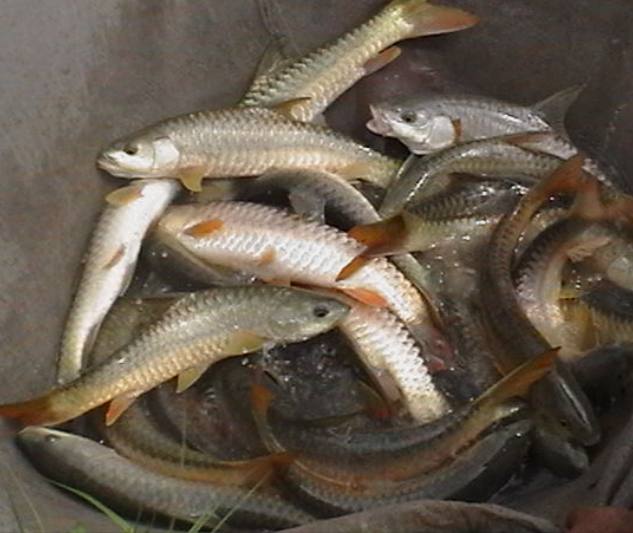
Mahseer, the world-renowned game and food fish of the hills is one of the main native fish in the Himalayan waters. However, the fish has become endangered. Ecodatabase in selected snow-fed and spring fed streams has been prepared.
The population of golden mahseer in different streams has been estimated; the breeding grounds of mahseer have been identified and the factors causing the decline of mahseer have been identified.
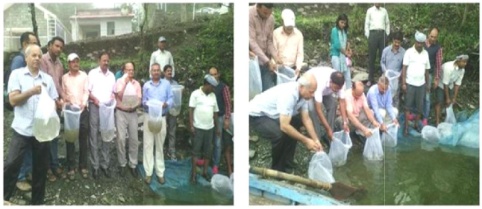
Restoration programmes including the collection of fry and juveniles of golden mahseer from the natural resource, their rearing upto young stage in pond condition in foot hill regions for further stocking into the potential mahseer streams is carried out. The brood stock development in the ponds from hatchery bred stock as well as that collected from nature is under progress.
A hatchery for the breeding of pond raised golden mahseer is established to produce the stocking material of mahseer for stocking in depleted rivers and lakes for their rehabilitation. The rejuvenation of golden mahseer will greatly help in boosting the production of aquatic food and improving the tourism in the hill state. Two carp fishes of food value in the sub temperate part of the Himalayan region viz., Labeo dyocheilus and Labeo dero have been chosen for the development of farming technology and production of stocking material under hatchery conditions.
Advancement of gonadal development in Magur
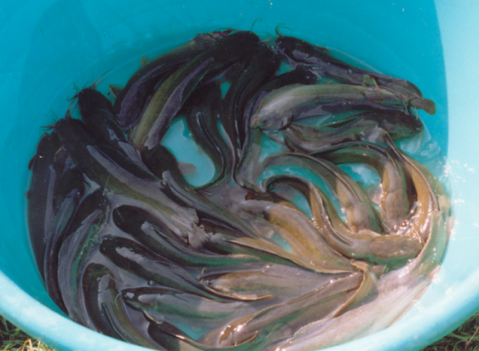
Through change of the directions of environmental factors particularly photoperiod and temperature, the gonadal development in Clarias batrachus (Magur) could be initiated as early as January leading to availability of specimens with developed gonads by March/April.
Integrated fish farming technology
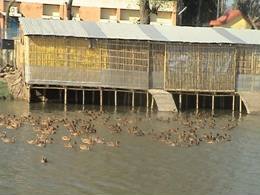
The duck-cum-fish culture technology has been developed in which by using Khaki campbell ducks in the system a production of 6000 kg fish/ha/yr and 270 eggs per duck/yr was obtained without any addition of fertilizer in the pond.
Establishment of modern circular hatchery
Although the hatchery fish seed production has increased considerably in last two decades, the availability of quality fish seed is still a bottleneck in achieving high fish production in the farmer's field.
As of now none of the State Agriculture University has a large fish seed hatchery for commercial production of fish seed. Taking step in this direction, the University established a large circular hatchery for fish seed production.
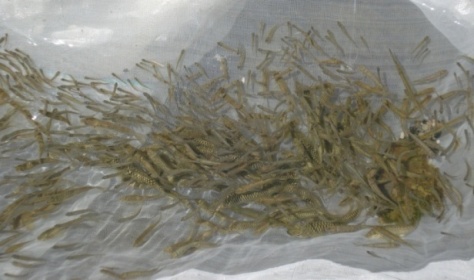
The seed production unit has a completely indoor hatchery with breeding and hatching facilities for production of about 100 million post larvae of cultivable carps in one breeding season. The seed is being produced from the brood stock developed on different lines to improve the efficiency of the growth of fish seed.
The hatchery has a completely modern unit of nursery and rearing ponds sufficient enough to produce about 40 million advanced fry/fingerlings of fishes.
The fingerlings are being stocked in the reservoirs located in nearby areas. It is expected that the fish production from reservoirs may be increased from 40 kg/ha/yr to 200 kg/ha/yr by stocking the seed thus produced in the hatchery. The quality fish seed is also being provided to the farmers to increase their production.
Seed production of catfish (Magur)
The technology for broodstock care, induced breeding and larval rearing of the catfish (Magur) has been developed.
Captive breeding of Kali Rohu (Khat) and Mohu
Successful brood stock rearing of Khat (Labeo dyocheilus) and Mohu (Labeo dero), induced breeding in captivity after bringing from rivers of Uttarakhand have been done and fingerlings are released in their natural habitat to augment fish production.
Seed production of Labeo gonius
The technology for seed production of L. gonius has been developed under NATP for the stocking of reservoirs in addition to self recruitment for increasing the production potential of reservoirs in Uttarakhand.
Technology
Significant Technology Developed
The College has the mandate to develop scientifically proven technologies that can be transferred to the fish farmers of not only the State but whole of the North-India. The increased emphasis is given to frontier areas of carp culture, seed production, water quality management, fish health management, conservation of fish diversity and fisheries resource management. The significant technologies developed so far are as follows.
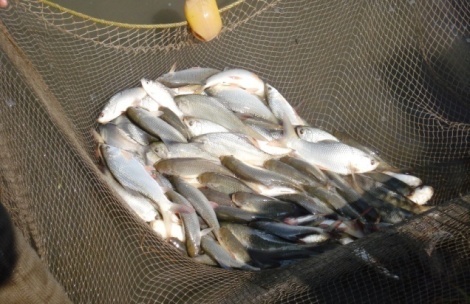
1. Induced breeding and quality seed production of carpsTo ensure availability of quality seeds of cultivable carps throughout the year, the induced breeding technology using crude pituitary extract, ovaprim, ovatide, Wova- FH, Gonopro- FH and Ovarim has been developed for the Tarai region of Uttarakhand. Catla, Rohu, Mrigal, Grass carp and Silver carp are being successfully bred and about 3.0 crore spawn is produced every year manipulating environmental factors and brood stock diet. The multiple breeding of carps in Tarai conditions has also been done.
2. Development and optimization of broodstock management practices for quality gamete production for extended periodThe broodstock of different fishes collected from different sources viz. reservoir and pond of fish farmers were raised in oxygenated waters (approximately 8.0 mg/l DO) by providing highly proteinacious diet (35% protein diet with 3400 K cal/ kg gross energy having 39% soybean oil cake, 20% groundnut oil cake, 40% rice bran and 1% growth promoters). The brooders collected from different sources were kept and reared in separate ponds. The water of the broodstock ponds was replaced (10- 25%) regularly. Under these conditions, the brooders of exotic carps viz. common carp matured in January while silver and grass carps matured in March and could bred up to September. The Indian Major Carps also experienced maturity by early April in place of June. Breeding trials between reservoir and pond fishes were made and hatching, survival and growth were found to be better in these trials.
3. Development of package of improved breeding practices for different cultivable and endangered fishes for diversification of aquacultureBreeding trials for the seed production of Clarias batrachus (Indian Magur), Tor putitora (Golden mahseer) and Labeo gonius (Kursa) were made successfully. The quality seed production of magur was done by injecting the brooders with a dose of ovaprim (2.0 to 2.5 ml/ kg fish). The stripping of golden mahseer collected from Lakes Bhimtal, Naukuchiatal and Sattal was done for collecting the eggs and sperms and carrying out fertilization trials. The fertilized eggs were kept in mahseer hatcheries at Bhimtal and Pantnagar and better hatching result (65- 85%) was obtained in flow through system at Pantnagar. The seed production of Labeo gonius was also done at Pantnagar during rainy season. The produced seeds of these fishes were reared separately in nursery and rearing ponds phase wise at different stocking densities providing different environmental conditions. There was better survival and growth of the fish fry provided with 20-25 nos. Brachionus / post-larvae daily at the stocking density of 600 post-larvae/ m2. The rearing results of fry at stocking density of 50 fry/ m2 was found better when these were fed with a mixture of soybean oil cake (30%), mustard oil cake (30%), rice bran (39%) and brotone (1%).
4. Farming feasibility and conservation of golden mahseer (Tor putitora)The population of golden mahseer in different streams has been estimated. The breeding grounds of mahseer have been identified and the factors causing the decline of mahseer have also been identified. Restoration programme included the collection of fry and juveniles of golden mahseer from the natural sources, their rearing up to fingerling stage in pond conditions at the Instructional Fish Farm (IFF) in the foot hills region for stocking into the potential mahseer streams and lakes. The rejuvenation of golden mahseer has greatly helped in boosting its production in lakes and improving the tourism in the hill state.
5. Integrated fish farming technologyThe duck-cum-fish culture technology has been developed for Tarai region of Uttarakhand in which by rearing Khaki campbell ducks @ 300- 400 nos/ ha in the system, a production of 6000 kg fish/ha/yr/ and 270 eggs/duck/yr was obtained without any addition of manure in the pond.
6. Biomanipulation of lakes Nainital and Naukuchiatal for ecosystem restorationAfter application of biomanipulation and aeration technologies, partial removal of unwanted fishes, stocking of eco friendly fishes in standard ratio and establishing aeration discs in bottom in the Lakes Nainital and Naukuchiatal, the nutrients concentration (nitrate, phosphate etc.) have started to decrease and the anaerobic hypolimnion now contained sufficient amount of oxygen, the water clarity and population of phytoplankton, zooplankton and benthic organisms has increased which are elements of a balanced ecosystem. Also mass mortality of fishes which was common during mixing period, is now totally stopped and fishes are growing well.
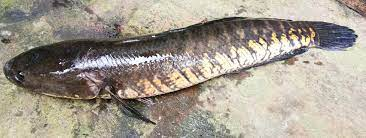
7. Technology of seed production of murrelsNatural breeding and larval rearing technologies for two murrel species Channa puctatus and C. striatus under pond conditions have been standardized with feasibility assessment for adoption by fish farmers.
8. Introduction and seed production of genetically improved stock of fishesGenetically superior stocks of Amur carp and Jayanti rohu have been added to the farm during along with existing cultivable species for the quality improvement. Amur carp seed having 20-29 % more growth potential, was procured from Fisheries Research and Information Centre, Bangalore while Jayanti Rohu seed was obtained from CIFA, Bhubaneshwar. At present more than two crore spawn of these fishes are produced and about 25 lakh fish seeds have been distributed to fish farmers of different states viz. Uttar Prodesh, Uttarakhand, Rajasthan, Haryana, Himachal Pradesh, Bihar etc. and to the farmers of the neighbor country Nepal.
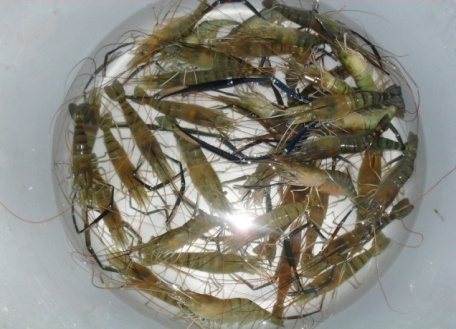
9. Freshwater prawn culture in Tarai region of UttarakhandMonoculture of giant freshwater prawn, Macrobrachium rosenbergii has been standardized and a production of 1183.20 kg/ha/6 months was achieved. Incorporation of the same in composite culture was also done. Though survival was not up to mark but growth was satisfactory.
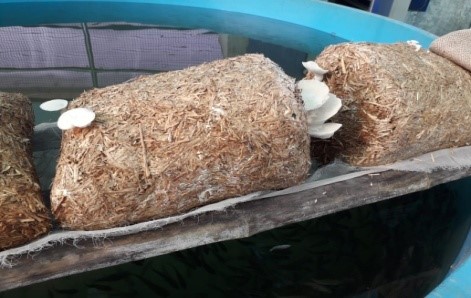
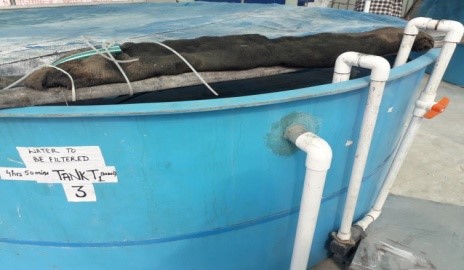
10. Mycofiltration for water quality improvement and better fish growthThe study done on the application of mycofiltration with variable water filtration rates conclude that mycofiltration technique is an excellent technique for filtering water, improving its quality and providing stable environment for better fish growth. This technique can be used for growing fish in water filtered through mycofiltration as it absorb heavy metals, microorganisms and enhance the productivity of water. This technique makes the suitable condition of the hydrographical parameters and does never cause any stress in the environment as well as growth of the fishes. This can also be said that it is an integrated technique with mushroom cum fish culture and is easy to be handled and very much cost effective.
11. Biofloc technology for fish productionThe biofloc technique with variable carbon source is an excellent technique for growing fish at low input cost. This technique has been standardized for growing fish in pond polyculture system at very high stocking density by maintaining proper aeration and C: N ratio using different carbon sources viz. molasses, potato, wheat flour, yam, sorghum etc. and enhance the productivity of water. In this system, most of the fishes performed better from weight gain and specific growth point of view in the unit where wheat flour was used as carbon source. This technique makes the suitable condition of the hydrographical parameters and does never cause any stress in the environment as well as growth of the fishes.
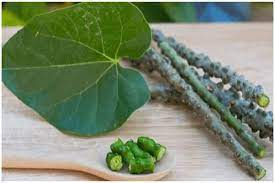
12. Use of herbal extracts for immune- stimulatory responsesDifferent herbal extracts viz. Aswagandha, Safed musli, Giloy, Aloevera etc. are commonly utilized in Ayurvedic and Unani medicines. These plants have a lot of potential as a versatile therapeutic agent. Use of these products at very low level along with fish feed shows better immune stimulatory response and gives better fish growth result.
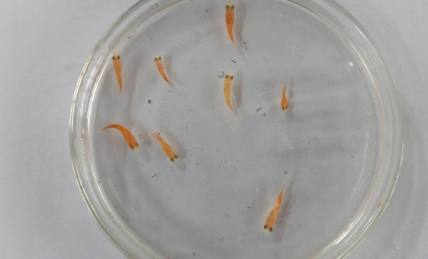
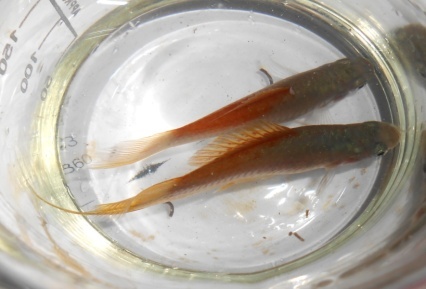
13. Seed production of ornamental fishesStandardized the breeding and seed production protocol of Sword tail and Guppy ornamental fishes first time in Tarai region of Uttarakhand. The broodstock rearing was done properly on quality fish feed encompassing rice, wheat, soybean and groundnut cake. The best performance of spawning was obtained at 24 oC water temperature using one male and three female while best result of hatching was obtained at 28 oC. This technology has also been adopted by many farmers.
Farm
Instructional Fish Farm
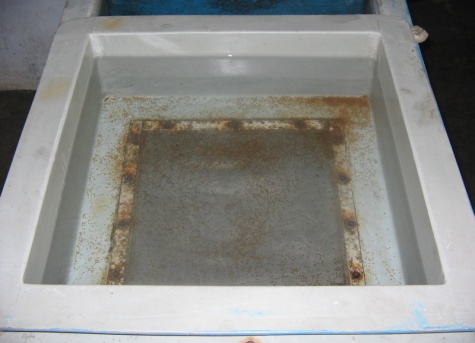
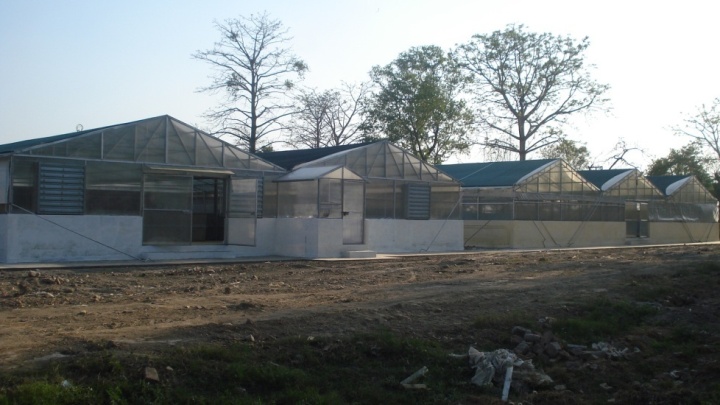
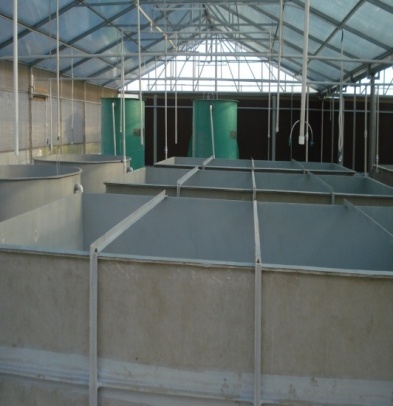
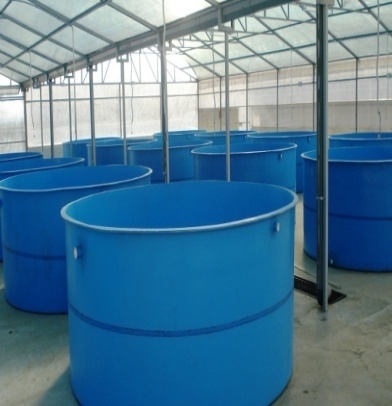
Three recirculatory systems in polycarbonate houses in about 1800 m2 area for intensive raising of fishes under controlled conditions have been established at the Instructional Fish Farm of College.
System - I
System - II
System - III
Total area
1000 m2
400 m2
400 m2
Water volume
200 m3
100 m3
100 m3
No. of tanks
6 (cemented - rect.) 16 (FRP - circular)
12 (FRP) (6 round + 6 rect.)
20 (FRP-circular)
Images of Instructional Fish Farm
Hatcheries available in the Farm
S.No.
Name
Quantity
1.
Outdoor Carp Circular Hatchery
01
2.
Magur Hatchery
01
3.
Mahseer Hatchery
01
4.
Indoor Carp Hatchery
01
Equipments available in the Farm
S.No.
Name
Quantity
S.No.
Name
Quantity
1.
Aerators
6
8.
Online water analyzer
1
2.
Automatic feeders
4
9.
Online bio-toxicity monitoring unit
1
3.
Deep freezer (-20°C)
1
10.
Power tiller
1
4.
Excavators
2
11.
Sand filters
6
5.
Fish Feed Extruder
1
12.
Tractor
1
6.
FRP tanks
16
13.
Weather station
1
7.
Mechanical fish dryer
1
14.
Artisan/shallow well
7+1
Ponds
S.No.
Name
Quantity
1.
Nursery Ponds
12
2.
Rearing Ponds
24
3.
Grow out Ponds
09
4.
Broodstock Ponds
06
5.
Research Ponds
08
Documents
Downloads
College documents and course details — all in PDF.
Public acknowledgement of DBT funding for equipment procured under the project “Translating the native fish germplasm for socio-economic benefits through aquaculture and fisheries in Himalayan region,” in the prescribed Form GFR-22.