College of Community Science · Department
Resource Management & Consumer Science
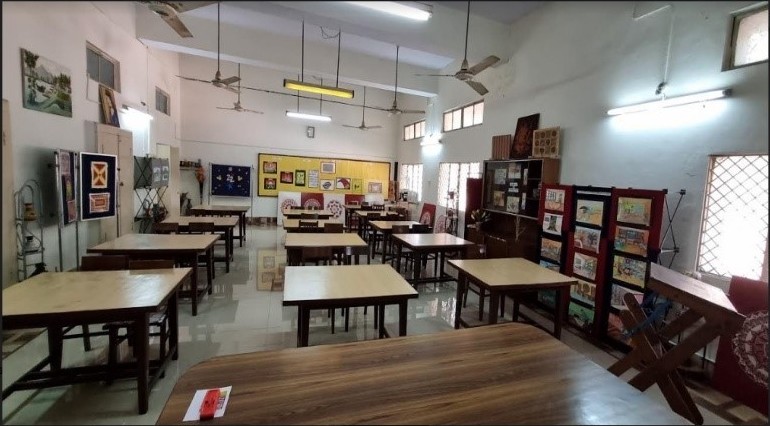
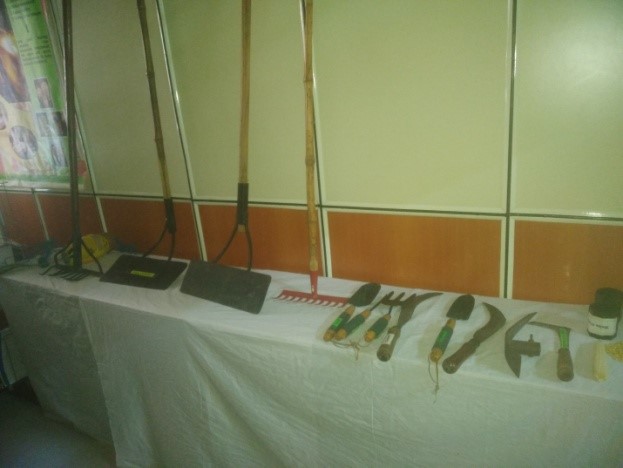
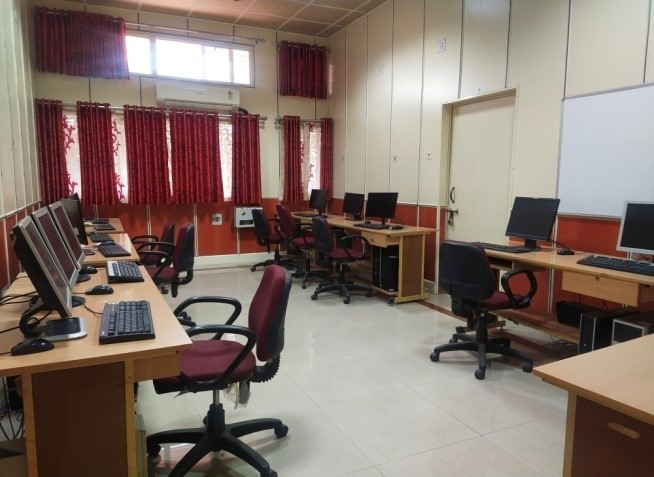
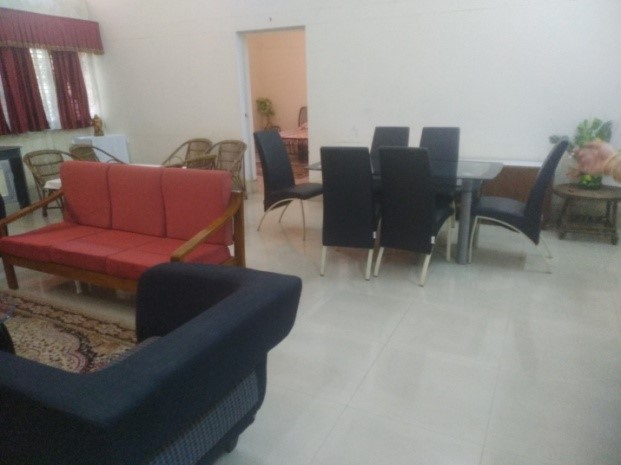
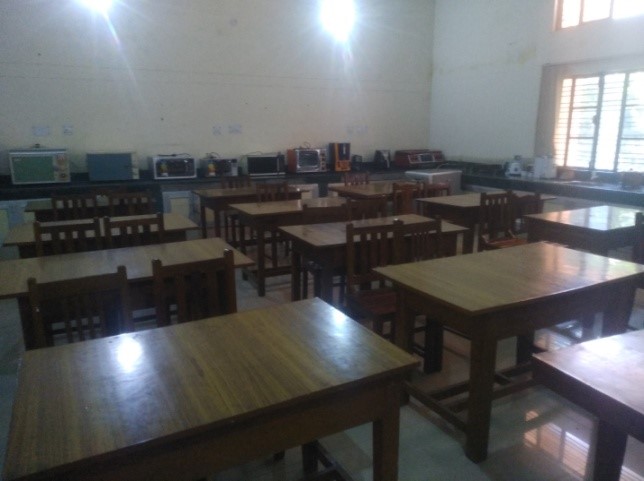
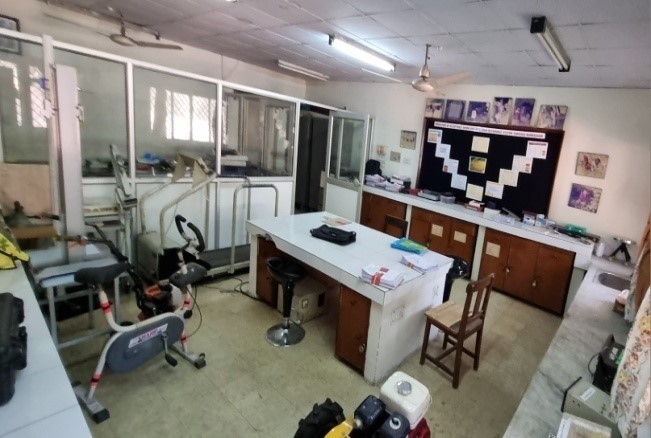
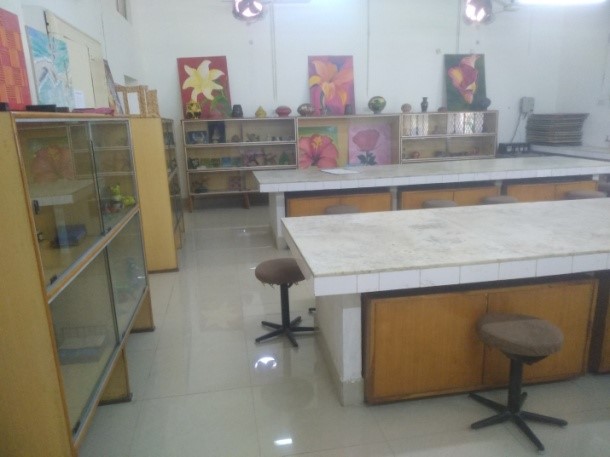
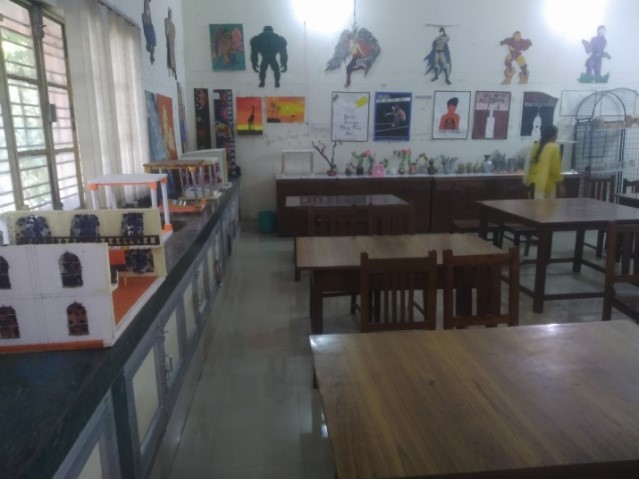
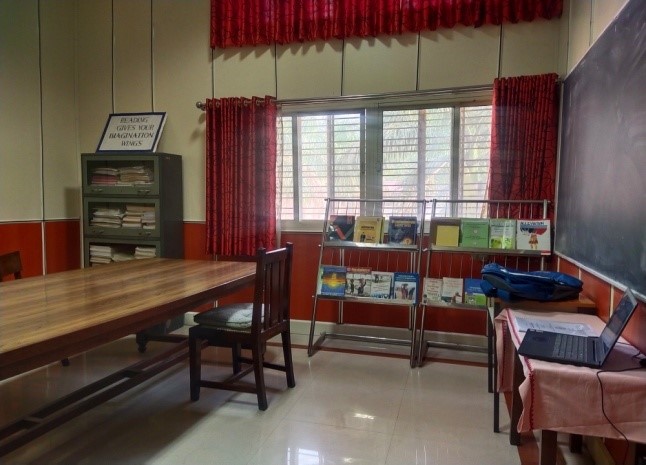
UG since 1971, M.Sc. since 1994 and Ph.D. since 2004 — with laboratories in ergonomics, interior decoration, household equipment and vocational training.
UG since 1971, M.Sc. since 1994 and Ph.D. since 2004 — with laboratories in ergonomics, interior decoration, household equipment and vocational training.
Family resource management teaching started at the UG level with the inception of the College in 1971. The Department came into being in 1994 with a Master’s Programme in Family Resource Management. The Ph.D. Programme in Family Resource Management commenced in 2004. A well-knit UG, PG and Ph.D. Programme with updated syllabus operates in the Department. As per the recommendations of the fifth Deans’ Committee Report, the name of the department was changed to Department of Resource Management and Consumer Sciences in 2022. Subsequently, in accordance with the National Education Policy (NEP) 2020, the B.Sc. (Hons.) Community Science degree programme was introduced from the academic session 2024. The Department of Resource Management and Consumer Sciences aims to empower individuals, families, and communities through quality education, innovative research, skill development, and extension, with a focus on sustainable resource management, consumer awareness, entrepreneurship, ergonomics, and improved quality of life. The department strives to develop competent, creative, socially responsible, and industry-ready professionals capable of addressing emerging challenges and contributing to sustainable community development.
The Department imparts understanding of aesthetically and functionally efficient dwellings and makes students aware of ergonomic principles in relation to household, equipment and occupations in residential and commercial settings. It aims to develop entrepreneurship skills in students in terms of self-employment and micro-enterprise management, and conducts research on Resource Management, Occupational Ergonomics & Safety Principles, Women’s Empowerment & Gender Studies, Work & Work Improvement Technology, Drudgery Reduction and Cost Analysis of Work.
Deals with changing quality of family life through effective uses and creation of Resources. Department grooms students to enhance their Skills and to make them professional in their Respective field. Mission of the department Prepare students for jobs that are based on manual or practical activities, and totally related to a specific trade, occupation, or vocation i.e. interior designing through Basic knowledge Practical training Real world situation Field visits Objectives of the department To inculcate entrepreneurial skill and to organize trainings/courses for the Community to facilitate entrepreneurship. To promote economic and technological empowerment among women and youth in Home, farm and allied field. To develop interactive linkages with industries, government as well as non- government organizations all over India. <div
| Sl. No. | Name of the Program | Year of Start | Intake Capacity |
|---|---|---|---|
| 1 | B.Sc. Home Science (2+2) with professional electives in Interior Designing and Decoration | 2004-2016 | 70 |
| 2 | B. Sc. (Hons. Community Science) (3+1) “Vocational module on Event and Décor Management” | 2017 onwards | — |
| 3 | B. Sc. (Hons. Community Science) (2+2) As per NEP | 2024 onwards | 70 |
| 4 | Masters degree – Family Res. Mgt. (Two Year Programme) | 1994 | 04 |
| 5 | Ph.D Programme – Family Res. Mgt (Three Year Programme) | 2004 | 04 |
| 6 | M. Sc. Community Science (Resource Management and Consumer Science) | 2022 | 05 |
| 7 | Ph.D. Community Science (Resource Management and Consumer Science) | 2022 | 05 |
| S. No. | Title of patent | Patent / File no. | Type | Date of grant |
|---|---|---|---|---|
| 1 | (Dr. Divya Singh; Shefali Massey) Memento made of Waste Silkworm Cocoon | 425757-001 | Design Patent | 9/1/25 |
| 2 | (Shefali Massey, Dr. Divya Singh) Badge made of Waste Silkworm Cocoon | 425756-001 | Design Patent | 12/3/2026 |
| 3 | (Dr. Harshita Bisht, Dr. Sandhya Rani, Dr. Ragini Mishra and Dr. Dhirendra Kumar) “Microclimate Controlling Seat Cushion” | 449933-001 | Design Patent | 16/06/2025 |
| 4 | (Dr. Sandhya Rani, Dr. Harshita Bisht, Dr. Ragini Mishra and Dr. Dhirendra Kumar) “Wearable Exoskeleton for Desk Workers” | 453082-001 | Design Patent | 1/07/2025 |
| 5 | Ms. Pooja and Dr. Seema Kwatra — Revolving work stool with adjustable height | 485932-001 | Design Patent | 17/03/2026 |
| 6 | Ms. Shreya Sangwan and Dr. Seema Kwatra — Innovative luggage tag design for identification and tracking of baggage | 483486-001 | Design Patent | 06/04/2026 |
| 7 | Dr. Alka Chandrakanta and Dr. Aditi Vats — Foldable legless chair with back support for floor and bench use | 504703001 | Design Patent | 05/06/2026 |
| 8 | Dr. Divya Singh, Dr. Seema Kwatra, Ms. Pooja, Ms. Shreya Sangwan — Articles Made from Waste Paper through Surface Enrichment Using Combined Art Forms | LD-4076/2026-CO | Copyright | 24/7/2026 |
| 9 | Dr. Divya Singh, Dr. Seema Kwatra, Ms. Pooja, Ms. Shreya Sangwan — Keyring with creative Mandala Art | 482590-001 | Design Patent | 02/06/2026 |
| 10 | Ms. Unisha Faraq and Dr. Seema Kwatra — Development of scale to assess job satisfaction level of handloom weavers | LD-34089/2025-CO | Copyright | 29/09/2025 |
| 11 | Ms. Shreya Sangwan and Dr. Seema Kwatra — Bookmark | 483323-001 | Design Patent | 24/06/2026 |
| 12 | Dr. Sangya, Dr. Deepa Vinay and Dr. V.K. Singh — Storage Cabinet | 436723-001 | Design Patent | 27/12/2024 |
| 13 | Dr. Sangya, Dr. Deepa Vinay, Dr. Pragya Ojha and Pankaj Ojha — Bench | 444919-001 | Design Patent | 21/05/2026 |
| 14 | Dr. Sangya, Dr. Deepa Vinay, Dr. Pragya Ojha and Dr. Pankaj Ojha — Table with natural pine needle texture | 444917-001 | Design Patent | 02/07/2026 |
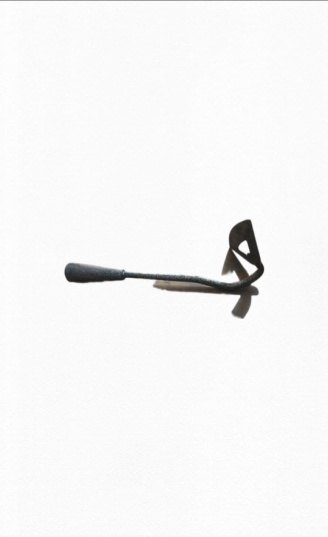
| 15 | Ms. Pratibha Pandey, Dr. Deepa Vinay, Dr. Sangya Singh, Dr. Pragya Ojha and Dr. Pankaj Ojha — Vegetable plucker | 445753-001 | Design Patent | 08/05/2025 |
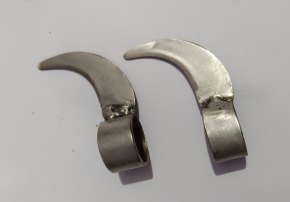
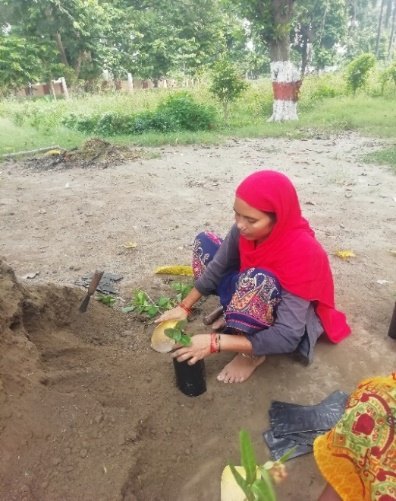
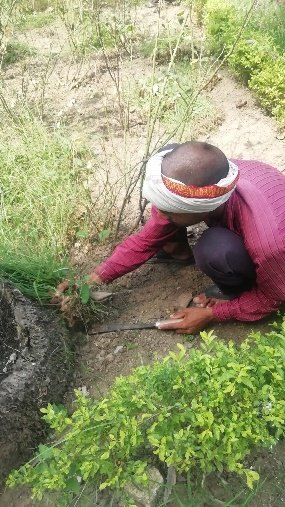
Assessment of Climate Vulnerability and Gendered Drudgery in Agro-Ecological Zones 9 and 14 of Uttarakhand. Women are more likely to be impacted by the effects of climate change as they are more involved in agriculture than men, particularly in Uttarakhand. Climate change is endangering the livelihood security of the rural population as well as agricultural productivity. The study assessed vulnerability to climate change in the Tarai and Bhabar regions, covering Nainital, Almora, U.S. Nagar and Haridwar districts, with 240 samples across selected villages. A Vulnerability Index was developed with seven components—Socio-Demographic Profile, Livelihood Strategies, Social Networks, Health, Food, Water, and Natural Disasters & Climate Variability—analysed through exposure, adaptive capacity and sensitivity. The Vulnerability Index was highest in Nainital and Almora. Women predominantly engaged in weeding, transplanting, sorting and storage, with high drudgery during transplanting and weeding. The Vegetable transplanter, Pant vegetable plucker, Finger plucker and Weeder-cum-kuthala tools significantly reduced drudgery, improved posture, increased efficiency and had high acceptance; all tools were found economically beneficial, socially acceptable and physiologically effective.
Ergonomic Evaluation of Occupational Risks and Discomfort Prevalent Among Gardeners. The study assessed the socioeconomic profile, occupational health risks and postural discomfort prevalent among gardeners engaged in physically demanding and repetitive tasks such as weeding, rose budding, soil preparation, seed separation, cutting, pruning and trimming, lawn maintenance, marking, landscaping and bouquet formation. Occupational health problems such as cuts, bruises, friction blisters, insect bites and tool injuries were commonly reported. Postural assessment of 15 selected activities using OWAS, WERA and WRAP tools revealed that the majority of adopted postures required immediate corrective measures. Based on the observations, a dethorning tool was designed and developed as an ergonomic intervention; its field evaluation demonstrated it to be a better alternative to the traditional method, reducing discomfort and minimizing injury risk.
Occupational Health and Intervention for Women Workers Involved in Kauna Handicraft. Work-related musculoskeletal disorders (WMSDs) are a widespread occupational health concern in the informal handicraft sector. This study examined the ergonomic risks and health challenges of women artisans engaged in Kauna grass handicraft production in Manipur. In Phase I, a baseline assessment of 160 female artisans was conducted using NORDIC and Cornell Musculoskeletal Discomfort Questionnaires (CMDQ), REBA, RULA, the Moore-Garg Strain Index and NIOSH workstation analysis, indicating a high prevalence of WMSDs with severe discomfort in the shoulders (88.13%), neck (88.75%) and back (75.62%). A participatory ergonomic intervention—an adjustable L-shaped workstation with supportive seating—was developed and tested with 30 workers. Phase II showed substantial improvements: elimination of high and very-high-risk REBA categories, significant decline in discomfort, and reduction of hazardous task classifications, demonstrating an effective, low-cost and culturally appropriate model for improving occupational health and sustaining livelihoods.
Work-Life Balance Among Police Personnel in the Kumaon Region of Uttarakhand. Using a descriptive research design, the study analysed interactions among Work-Life Balance, Psychological Well-Being, Emotional Intelligence, Occupational Stress, Job Content, Work Engagement, Recovery Experience, Life Satisfaction, Job Performance and Organizational Commitment. Data were collected from 516 police personnel from Almora, Udham Singh Nagar and Nainital using validated scales. Findings revealed prolonged working hours, high occupational stress and limited access to supportive workplace policies. The study proposed practical solutions including an e-folder with WLB tips, a booklet on workplace well-being and performance, and an innovative chair design to improve seating comfort in police stations, aiming to enhance productivity, reduce stress and foster resilience within law-enforcement organizations.
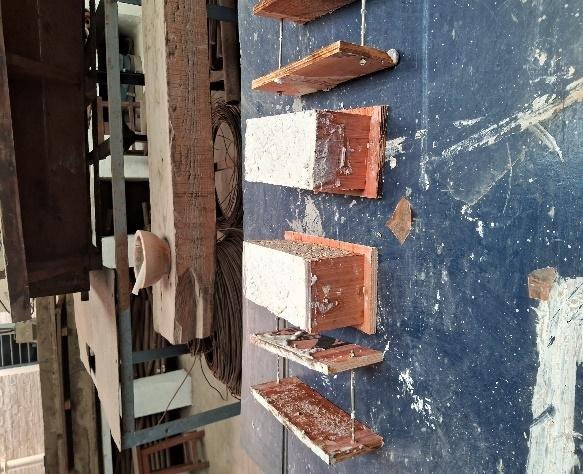
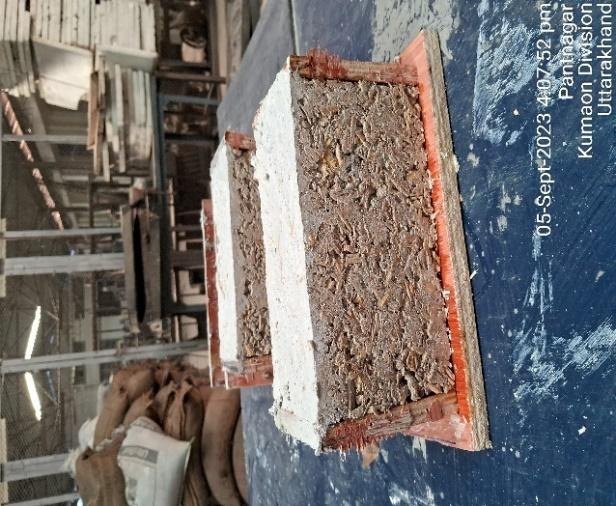
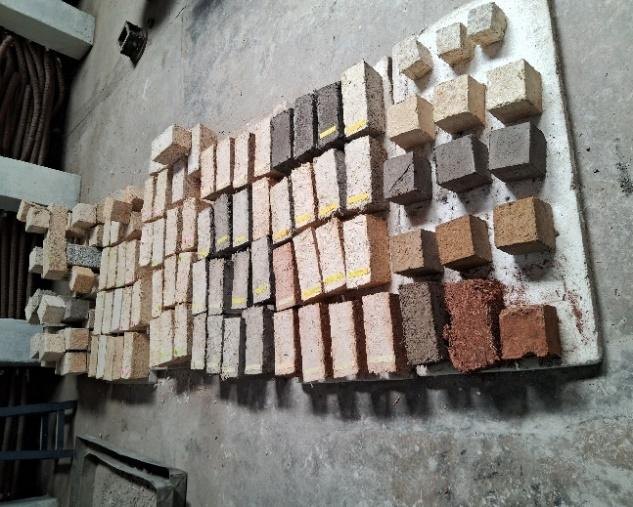
Exploring the Potential of Hempcrete as a Lightweight Infill Building Material. The research investigated the potential of hempcrete as a lightweight in-fill building material using the wet-mix method. Different brick/cube combinations were formulated using four criteria. Weight density tests of base-mix cube specimens (HC30 to HC50) showed values from 516 kg/m³ to 667.50 kg/m³ over 28 to 112 days, confirming lightweight properties. Water absorption ranged from 81% (HC30) to 90.19% (HC50). Compressive strength varied with lime content, age, compaction and water content, with HC30 showing the highest strength, improving over time for all specimens. The study proposes alternative binders such as fly ash, broken-brick fine aggregates and a sand-cement combination, and recommends future investigation of different hemp-shiv sizes—positioning hempcrete as a competitive, sustainable option compared to traditional burnt clay bricks.
AICRP on Women in Agriculture — Ongoing Work in Uttarakhand. The All India Coordinated Research Project (AICRP) on Women in Agriculture works to improve livelihood security, occupational health and socio-economic status of farm women through research, technology assessment, capacity building and extension. Major ongoing areas include drudgery reduction through gender-friendly farm tools and equipment (lightweight weeders, improved sickles, maize shellers, hand-operated threshers, grain pickers, revolving stools, fodder-collection and water-carrying aids), ergonomic evaluation of agricultural operations using RULA, REBA, OWAS and physiological measurements, capacity building and skill development, nutrition-sensitive agriculture, livestock-based livelihoods, documentation of women’s participation and decision-making, climate-resilient farming, income enhancement through value addition and rural entrepreneurship, technology assessment under farmers’ field conditions, and institutional convergence with KVKs, line departments, NGOs, SHGs and Panchayati Raj Institutions.
Completed M.Sc. thesis titles (preserved in English).
| S. No. | Title of the Thesis | Year of completion | Name | Fellowship |
|---|---|---|---|---|
| Ergonomic factors at workplace: A meta analysis among bank employees | 2017 | Neha Arya | ||
| Acceptability of women friendly drudgery reducing farm tools in selected villages of Tarai and hills of Uttarakhand | 2017 | Dipti Arya | - | |
| Assessment of consumer behavior towards plastic money in Udham Singh Nagar district of Uttarakhand state | 2018 | Sakshi Mishra | - | |
| Assessment of livelihood security in disaster prone areas of Uttarakhand | 2018 | Sulekha Beri | - | |
| Ergonomic assessment of architectural activities among architects in two districts of Uttrakhand | 2019 | Mehak Dadwal | - | |
| Impact of stress among post graduate students of GBPUA&T, Pantnagar | 2019 | Sangya Singh | - | |
| A comparative study of physical fitness, personality traits, aggression behaviour and happiness level of sports and nonsports students | 2019 | Smita | - | |
| To study the work culture among young entrepreneurs in selected districts of Garhwal and Kumaon regions of Uttarakhand | 2020 | Rohini Pandey | - | |
| Assessment of musculoskeletal disorder among garage workers | 2020 | Alka | - | |
| An exploratory study on impact assessment of universal health coverage in Udham Singh Nagar District of Uttarakhand state | 2020 | Pratibha | - | |
| An exploratory study on design and development of space saving multipurpose furniture | 2021 | Pooja Shah | - | |
| An analytical study of domestic e-waste management and disposal methods of Gadag district of Karnataka state | 2021 | Aishwarya Kumbar | ICAR | |
| Ergonomic assessment of risk factors among farm workers in vegetable production system | 2022 | Kamna Pundir | - | |
| Occupational Health Hazards among Bamboo Handicraft workers: A Study in Samastipur District of Bihar | 2022 | Ankita Renu | ICAR |
| S.No. | Title of the Thesis | Year of completion | Name | Fellowship |
|---|---|---|---|---|
| Ergonomic evaluation of transplantation activity of vegetable production by traditional and hand operated sapling transplanter | 2017 | Neha Tripathi | - | |
| Effect of Working Environment and Psychological Capital on Health Status of Female Workforce in Watch Assembly Unit | 2017 | Bhupinder Oulakh | DST- INSPIRE | |
| Impact of packaging material on health and environment: A study in Gadarpur block of Uttarakhand | 2018 | Kirti Kesarwani | DST- INSPIRE | |
| An ergonomic analysis of drudgery involved in sugarcane production system | 2018 | Sushma Gangwar | - | |
| Status of women empowerment for enhancement of sustainable quality of life | 2018 | Poonam | RGNF Fellowship | |
| Psychological Assessment and Postural Analysis of Smartphone Users | 2018 | Diksha Gautam | UGC-NET JRF | |
| Value Addition and Utilization of Pea Industry Waste for Livelihood Security | 2018 | Upasana Rana | - | |
| Study of Occupational Health and Wellbeing of Glass Manufacturing Unit Workers: An Ergonomic Approach | 2019 | Sonia Tewari | UGC-NET JRF | |
| Ergonomics of load carrying activities and humanizing the work of Railway Assistants | 2019 | Savahat | - | |
| Occupational health hazards among the employees engaged in laundry sectors | 2021 | Kanchan Pant | UGC-NET JRF | |
| A study on the assessment of occupational health hazards among cobblers | 2020 | Deepika Pandey | - | |
| A study on musculoskeletal disorders of stone masonry workers in high hills of Kumaon region of Uttarakhand | 2021 | Neha Arya | - | |
| An Ergonomic Evaluation of Occupational Health Hazards Among The Dental Practioners of Uttarakhand. | 2022 | Garima Pant | - | |
| 9 students pursuing Ph.D from department of FRM | ||||
Selected departmental events (descriptions preserved in English).
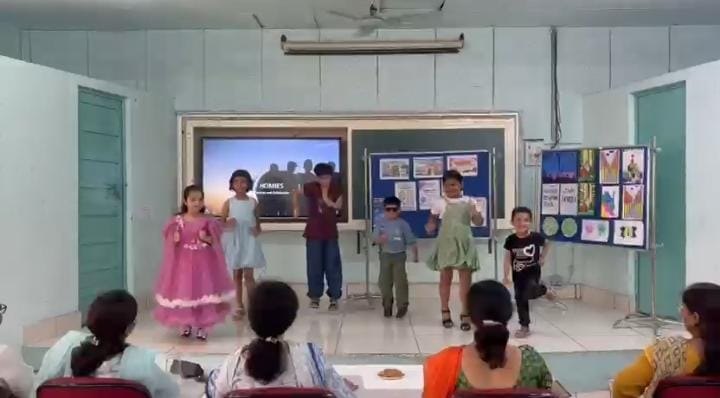
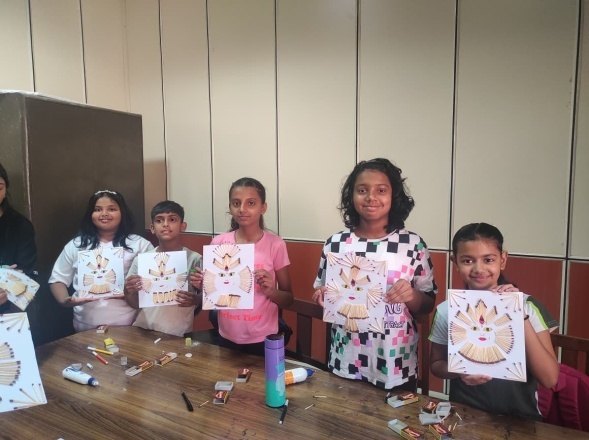
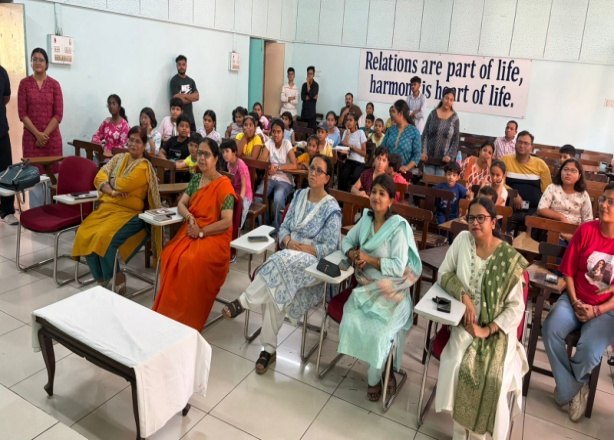
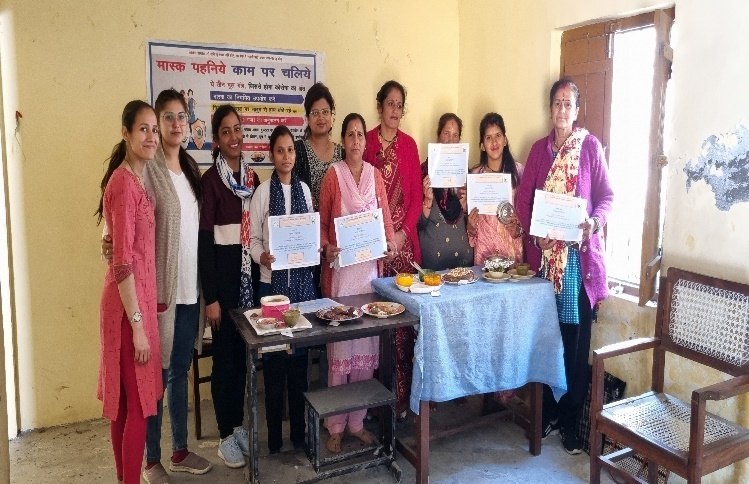
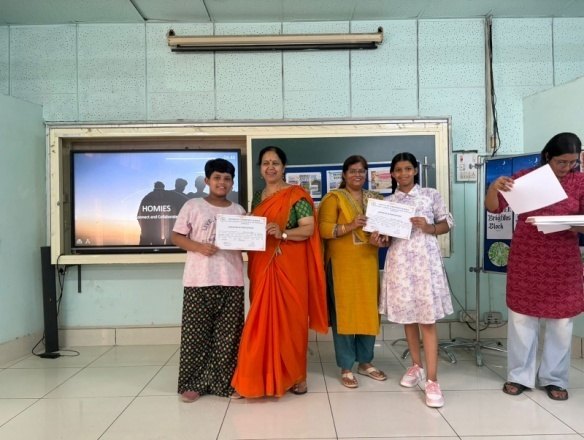
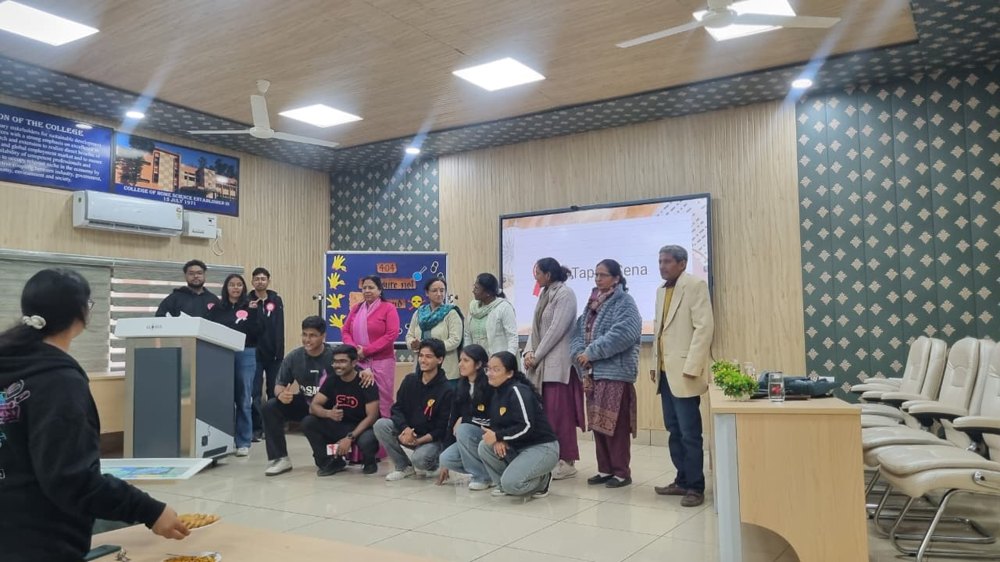
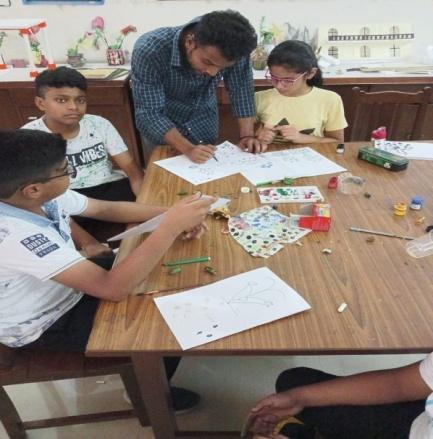
The Fun Factory: Summer Camp 2.0. The Department organized “The Fun Factory: Summer Camp 2.0” from 11–19 May 2026 under the Student Ready Programme course HRM-495: Event and Décor Management. The camp was organized by final-year students under the guidance of Dr. Seema Kwatra (HoD, RMCS), Mr. T.A. Khastgir, Dr. Divya Singh and Dr. Sandhya Rani. Designed for children aged 4–12 years, it focused on holistic development through art and craft, games, interactive learning, teamwork, creativity-based activities and skill development, providing an enriching experience for children and valuable hands-on event-management experience to the students.
Inkspire: The Calligraphy Competition & Stroke and Style: T-Shirt Painting Competition. As part of the course requirements of HRM-495: Event and Décor Management, final-year B.Sc. (Hons.) Community Science students organized live events under the guidance of Dr. Seema Kwatra (HoD, RMCS), Mr. T.A. Khastgir, Dr. Divya Singh and Dr. Sandhya Rani. “Inkspire” (for school students) encouraged creativity, concentration, handwriting skills and artistic expression, while “Stroke and Style” (for students from various colleges of GBPUA&T) offered T-shirt painting. The events enhanced fine motor skills, cognitive focus, creativity and self-expression, and gave student organizers hands-on experience in planning, registration, publicity, venue management, coordination, judging and execution.
Two-Day Training Program on Millets. A two-day training program titled “Millets for Improving Food and Nutrition Security among Maternal and Adolescent Populations” was organized at the College of Community Science by the AICRP on Women in Agriculture (AICRP–WIA). It was inaugurated by Dr. Alka Goel, Dean, in the presence of Dr. Manisha Gahlot, Unit Coordinator, and Dr. Seema Kwatra, Principal Investigator, Shree Anna Program. Day one sensitized women about the nutritional importance of millets with a live millet-based cake demonstration; day two focused on adolescent girls with a ragi chocolate demonstration and storytelling sessions. The program was conducted by Dr. Sangya Singh and Bhabya (Young Professionals) under AICRP–WIA.
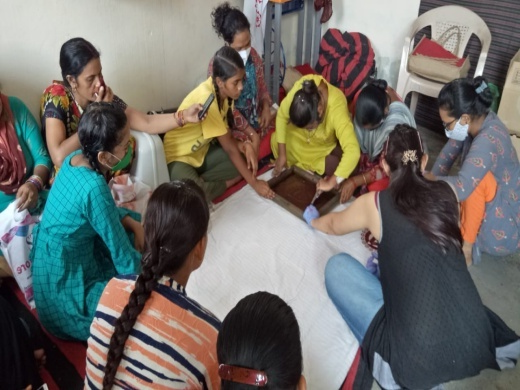
Five-Day Skill Development Training, Haldi Village, Khatima. A five-day skill development training programme was organized at Haldi Village, Khatima, from 2–6 February 2026 to enhance livelihood opportunities and promote economic self-reliance among rural women farmers. Three days were dedicated to tailoring (basic stitching, sewing-machine operation, measurements, fabric cutting and simple garment construction) and two days to beautician services (personal hygiene, basic skin and hair care, facials and threading). About 35–40 women farmers participated, gaining marketable skills and confidence for self-employment.
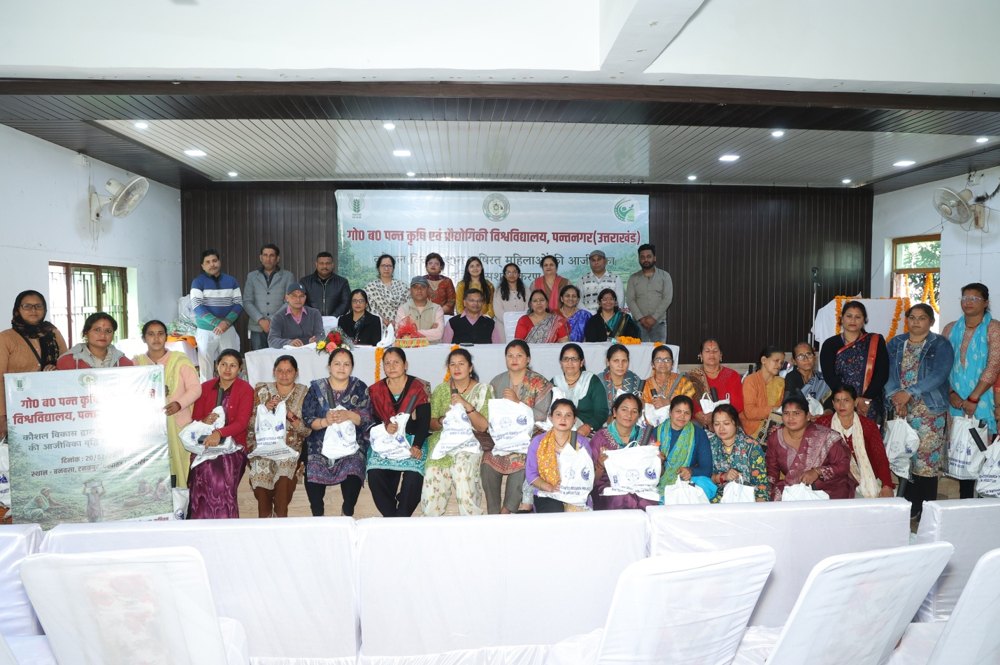
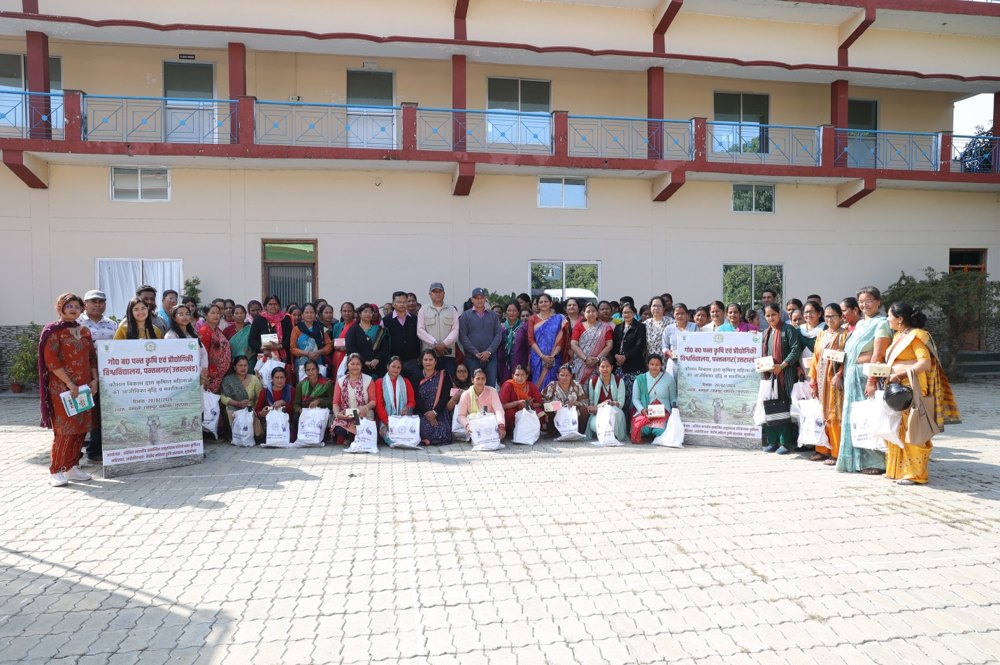
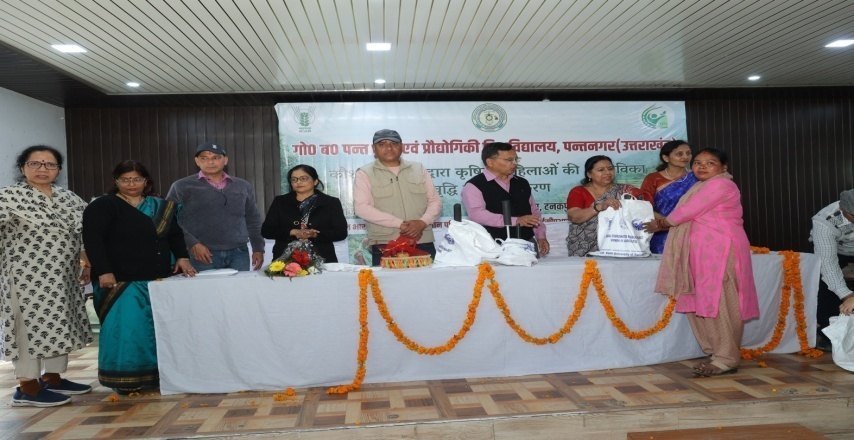
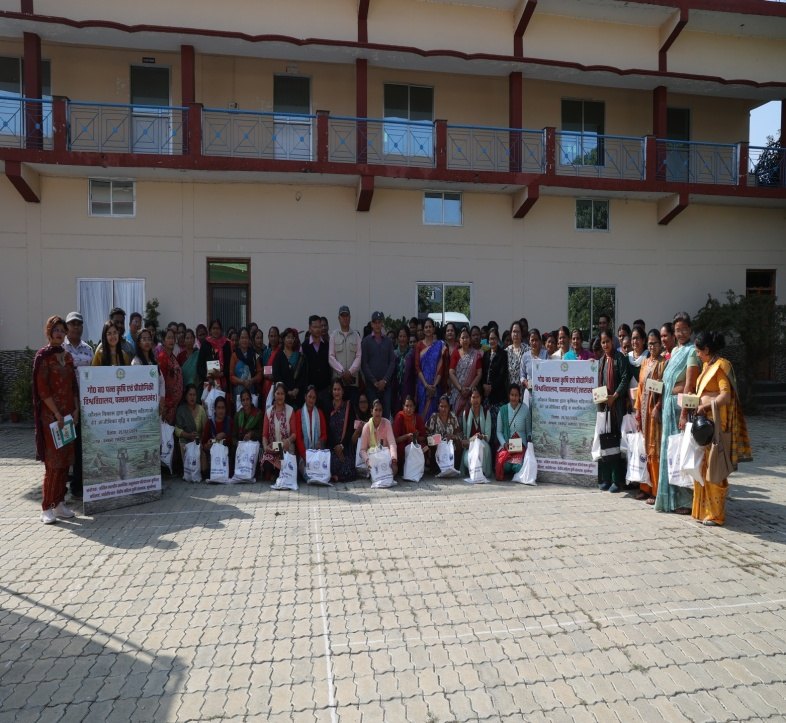
Mega Event on Skill Development and Drudgery Reduction. A mega event on Skill Development and Drudgery Reduction was organized on 20 February 2026 to promote livelihood skills, spread awareness of government welfare schemes and introduce drudgery-reducing technologies for women farmers. Dr. Alka Goel, Dean, was the chief guest; Dr. Deepa Vinay, Registrar, spoke on drudgery reduction and improved hand tools. Hands-on training in mushroom cultivation was demonstrated by Dr. Nirmala Bhatt, and drudgery-reducing tool kits were distributed. The event was coordinated by Dr. Manisha Gahlot, Dr. Seema Kwatra and the AICRP–WIA team.
Five-Day Skill Development Training, Gadarpur. A five-day skill development training programme was organized at Gadarpur from 16–20 February 2026 to strengthen livelihood options and promote self-reliance among rural women. Structured similarly to the Haldi Village training, it comprised three days of tailoring and two days of beautician training. Approximately 35 women participated enthusiastically, acquiring marketable skills to explore self-employment and small-scale entrepreneurship.
Awards and recognitions (preserved in English).
Industry/NGO associations and collaborations (preserved in English).